I am positive about the impact that business can have on the world. Business already does some useful things and could do much more. That said, sometimes people think too much of the power of business, for good or ill. We should think through the benefits and limitations of business when it comes to sustainable development. It has much to offer, but it isn’t miraculous.
Business Has Information
One thing that business does well is gather information. Market research is about understanding the world. Hans Rosling’s Gapminder Institute is about the promotion of understanding of the world. It, perhaps, isn’t a shock that they overlap a little.
What didn’t occur to Hans Rosling in his memoir, How I learned to understand the world, was that businesspeople would have a better idea of what is happening in the world than many others.
I was surprised and dismayed to find that the executives of the very largest companies were very well-informed about how the world was changing, much more so than my committed, internationally minded students and aid-organization staff
Rosling, 2020, page 179
At first glance one might expect that the worthy student with a concern for the world would know more than a businessperson who might just be looking to make money. But this is a bit of a simplistic view of the world. Many businesspeople do genuinely care about the world, and even those who don’t personally care know they need to understand the needs of their customers to make money.
There has been a lot of change in the world over the last generation of so — much of it positive. Even if you are purely mercenary you should monitor the changes. It simply isn’t good business to miss the opportunity arising to sell to new consumer bases in countries that have become richer in the last generation.
Business Has Financial Incentives To Help
Indeed, Rosling makes the point that financial incentives can sometimes help. There is a strand of thinking that suggests that only pure non-financial motives should be recognized as creating progress. That is too limited. Helping deliver better, cheaper, less environmentally destructive products doesn’t need to be an act of charity.
This isn’t about ‘corporate social responsibility’; it’s about your future profits!
Rosling, 2020, page 189
Advancing The World May Be Profitable
The fabled fortune at the bottom of the pyramid may be hard to find, but a good place to start looking is in solving the problems of those who rightly want a better life. Consumer products can be part of that. The washing machine needs a rethink — it’d be much better if it used less water and energy. The cleaning products used too can be better. (To be fair some progress is being made on these). Remember, however, that the washing machine has done incredibly positive things in its short history, not least for women.
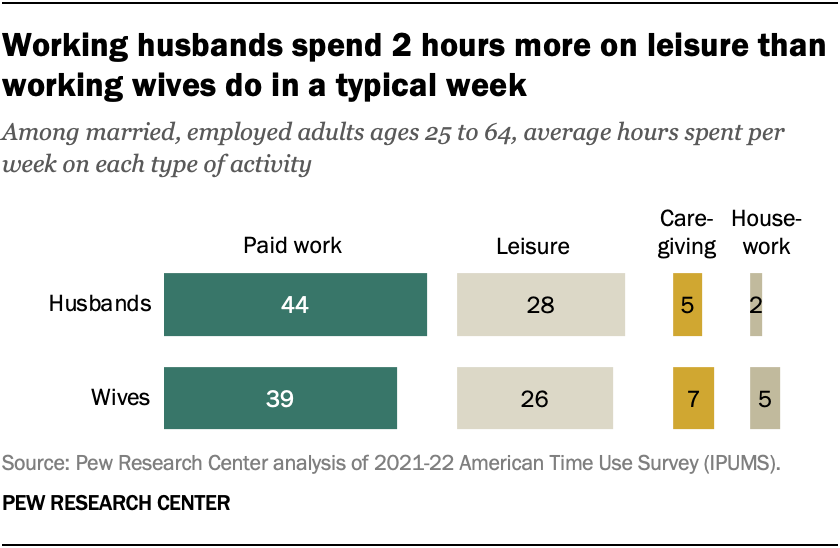
Women still do far more than their fair share of work in the house. While it would be great if men did more, fairly sharing out work is much harder than finding a machine to make sure no one need to do the work. The washing machine made a huge difference to women’s lives while companies made lots of money selling washing machines and men could remain lazy. That is quite a win-win-win.
The Need For Profit Can Be A Massive Limitation Of The Market
Rosling was frustrated that he was part of a group of experts who had presented pharmaceutical companies with a list of diseases to address.
Ebola was included in the list. Because the research had not been carried out, simple test methods, vaccines, and disease specific medications were not available.
Rosling, 2020, page 209
One of the most dangerous diseases in the world simply hadn’t been properly tackled by the companies that developed medicine. Ebola surely must be right there in the top tier of diseases we should be battling. It is deadly and spreads quickly. The market couldn’t do the job though. The pharma companies couldn’t see any profit in combatting Ebola because the people and countries most at risk of Ebola couldn’t pay for expensive treatments. The free market wouldn’t do everything we need to have done.
The Benefits And Limitations Of Business
We need to reinforce the ways we have (and find new better ways) to support research in dangerous diseases where the market demand from people with money alone isn’t going the spur innovation.
Rosling’s Ebola story is a lesson about the limitations of markets. Markets can work amazingly to get goods that are needed (and even just wanted) to people who can pay for them. They can even help those with at least a little turn that little into more and so create more effective demand. That said, markets will never address the problem that some vital goods are needed by people who simply can’t pay for them. Business has many benefits but also many limitations. Both supporters and critics of business need to understand that it isn’t the only force in the world.
For more on Hans Rosling see A Positive View Of The World Using Facts and Improving How We See The World and visit Gapminder
Read: Hans Rosling (2020) How I learned to understand the world: a memoir. Flatiron Books, 2020.