This is my personal advice on the tenure process. One of the challenges with these processes is that they are all somewhat different. This makes the idea of a single source of wisdom is a bit misleading. That said, having seen the tenure process from both sides I hope I can give a few things to think about.
The Aim Of Academia Is Not Tenure
As academics we tend to obsess about tenure. Don’t. It really isn’t everything. Academics can have a perfectly enjoyable life without tenure. Indeed, many who just opt out of the stress of tenure seem happier.
But Tenure Does Help
I can see the value in tenure. After all the academics specialize so much as part of their studies it makes them quite vulnerable to exploitation after graduation. In PhD studies we become best-suited to one type of employment which can leave extremely well-qualified people with few alternative sources of employment and thus bad pay and conditions. Thankfully this doesn’t happen as much in business academia, but it can happen. Such vulnerability certainly becomes a greater concern when the protections of tenure go away(or for those who never get a chance at tenure.
Speaking Truth To Power
Furthermore, tenure theoretically allows you to speak truth to power. Although this is more often honored in the breach than the observance.
Many who get tenure, and so earn the right to do something radical, end up continuing doing what they were doing before. After all, that is what they are good at. (Some choose to rebel by doing not too much work to be fair). Still, the protections of tenure do allow for interdependent thought which in the right (wrong) circumstances can matter a lot. In some disciplines, in some universities, in some periods of time, tenure is vital.
In business this is often less of a concern. Our problem is more often non-academics not caring what we do rather than powerful people being out to get us. We, and I totally include myself, aren’t important enough to develop political/wealthy enemies. Although teaching sustainable business certainly has potential to annoy some loud-mouthed people in the US. To be honest, I’d be flattered if a bunch of congresspeople decided they hated my work.
Is Tenure Useful Then?
Of course, it is. It is much more pleasant to have tenure than not. That said, it isn’t worth destroying your life to get it. Remember between starting your PhD studies and getting tenure there is usually over a decade even if things go well. You may well have kids during that period, or at least experience many of the prime years of your life. Don’t waste them obsessing over whether you will get tenure.
Hopefully you will get tenure but if you don’t there are plenty of other universities and positions. You may enjoy them more, even if the role may be a little different or less prestigious. It isn’t clear that those who miss tenure are any less happy than those who get it. (See the work of Dan Gilbert on affective forecasting, Wilson & Gilbert (Advances).pdf and 75_J_Personality_Social_Psychology_617_(Gilbert).pdf). We often aren’t great at predicting how we will feel in the future. Not getting tenure probably won’t be as bad as you fear and getting it won’t be as exciting.
Still, tenure is useful so do take reasonable steps to secure it.
Get To Know The Expectations
A lot of research schools have lists of journals which count for tenure if you have a paper in them. You might even hear a “number” quoted. This is the number of papers needed to be published in the stated journals for tenure. Everyone knows that a single number, e.g., 4As, is a silly way to judge a person’s academic prowess. But it happens, a lot. You can scream it is silly, but that won’t change much. When you are senior you can go back and agree it is silly, but chances are you won’t be able to change much then too. Part of the reason is it is just much easier to deny tenure because the applicant needed four papers and they had two than write a complex discussion of the merits of the work.
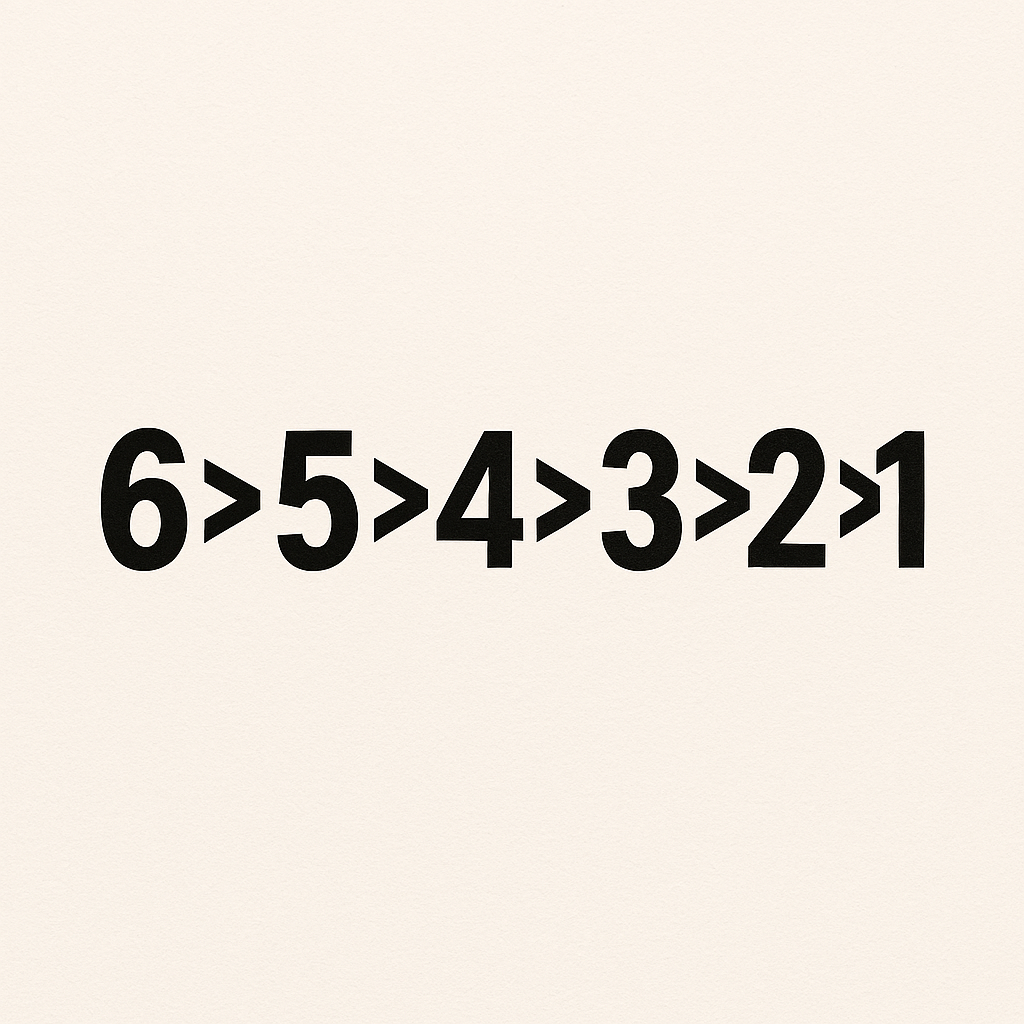
This also helps explain the worst sin of many academics. You are looking to get, say 4, papers. You aren’t looking to get the best paper in the history of the world. A certain level of perfectionism is needed in academia but keep it in line. I have seen more people get into trouble because they couldn’t complete anything than because they didn’t work hard or weren’t smart enough. To get published a paper must be submitted. Focus on how to do that. I don’t mean submit rubbish just to see, but do think what is needed versus what is nice.
So know the expectations. Don’t ruin your life but some journals count and some don’t. Focus on the journals that count.
What If The Paper Isn’t Going To Count?
Your school may accept more, lower tier papers instead of fewer papers on the list. More prestigious schools probably won’t though. That can be tricky. Sometimes you might end up working on a good idea that isn’t going to be published in a top journal. The good news is that your co-authors who are supportive will understand in you have to stop working on the paper. (Offer to leave mostly the paper will die, sometimes someone else might pick up the slack). And those who don’t understand that you need to priorities you don’t want to be working with. (Obviously, harder if they control your destiny but most senior faculty should be reasonable).
You can always return to any fun papers that won’t hit the top journals later when you have the right number published.
Is There Hope?
Tenure decisions come upon you faster than you think. If you get off to a bad start this can be disheartening. I had a disastrous start. Especially a late round paper that I thought would get me off the mark but the reviewers didn’t agree. If things start badly is there hope?
Yes, for a couple of reasons. Trajectory matters. If you start slow but show signs of picking up the pace, then this will likely help if you are a marginal candidate. It is (almost) never too late to get success.
Even if you don’t get tenure at your first place if you are showing promise there is an excellent chance you will be given another chance.
Beyond Papers — Teaching
So papers are key. Still, there are other things that help. A lot of these are at the margin but if you are close these “extras” can be the difference between a small win and a small loss on a tenure decision.
Teaching does matter. Might be a hygiene factor — you won’t get tenure if you are disastrous teacher but once you have exceeded the minimum quality you won’t gain much by getting even better. I find preparing for teaching can be interesting – so try not to spend too long on it.
Grading is never fun, so I never find myself wanting to do more of that. Work smart on that. How can you be efficient in grading. Hint: do you really want to read a long essay from each student? I personally didn’t want to do that before AI meant students could knock out an essay quicker than you could grade it. The economics of grading essays just don’t make sense any more.
Student Satisfaction
Often teaching quality is interpreted by another number (or two) from the student satisfaction survey. Do happy students, equal well-taught students. Not necessarily but it is what it is. To be honest, I do agree students have a right to expect not to be bored. To me student satisfaction should matter. (Although probably not as much as it does).
As such, do work on building a rapport with your students. Remember they don’t know as much as you do but don’t look down on them. You didn’t know the stuff you are teaching not that long ago.
Don’t fight with your students. Pre-tenure isn’t the time to tell the next generation they are coddled even if you personally believe that. Some faculty are great at being tough but respected. Most find bribing the students with candy easier. Hint: give out Tony’s Chocolonely and explain how they are working on improving the supply chain. Or give out Hershey’s and explain that tastes differ across the world. I believe some people, if they were born in the US, actually like Hershey’s. (Weird I know).
Bias In Evaluations
Student evaluations have lots of problems, e.g., giving lower scores to women. It is similar to paper counts. People know the problems and bias in such surveys but they are much easier to use than other possibilities for teaching assessment. There no perfect ways to assess teaching. For example, senior people can observe classes, but this can change the class dynamic by their presence and what is observed depends on the senior faculty’s bias.
Do make sure your assessors know that student evals are imperfect but they probably already know. The good news is that if you have good research teaching scores shouldn’t kill your tenure provided they aren’t terrible. (Bias may be a bigger worry for teaching faculty but that is a discussion for another day).
The general advice is to work on getting the students to appreciate you. I would think that it often helps to show them your true personality. (But I guess that depends a little on your personality).
If you are at a research university work hard to ensure that teaching doesn’t dominate your life. Hopefully you can get lesson plans/slides from other teachers. If not, I’m not a textbook fan but they are new teacher’s friend. Don’t try and be too clever in your teaching pre-tenure if you are at a research university. Do a good job but you don’t need to reinvent what it means to teach.
Get To Know People In The School And The Wider University
One of the great things about universities is that they have lots of cool people (as well as a few weirdoes). Think of a few things that you will enjoy that are somewhat related to what you think about and let yourself have time to do them. I’m personally not convinced focusing all day every day on an obscure topic helps. You might be surprised about the ideas/data/references you get from talking to people across campus who aren’t completely connected.
Being a junior professor is a wonderful opportunity to find out new things and you probably got into academia because you like learning things not because you like revising papers. Take the opportunity to learn, you will feel better and it may even help.
When you go up for tenure it is helpful if your colleagues know and like you. Again this can be the difference between just getting tenure or just missing it. Academics can be a bit solitary so take the time to chat to colleagues even if they are a bit standoffish. There are more socially awkward academics than truly evil ones.
Enjoy Yourself And Be Yourself
Being a junior professor is a wonderful opportunity. Often we miss having fun through worrying. Try and appreciate what you have. When you see something silly at a university instead of getting annoyed try and find the funny side.
For more advice pages see Advice For The Marketing Academic Job Market | Marketing Thought and Marketing PhD Applications | Marketing Thought